

Automatic Station Of Gongyi New Environmental Protection Bureau Second Middle School Particulate Matter (PM10) Level
Zijinglu, Henan, China

18µg/m³
Last Updated: 09 Oct 2025, 05:46pm (Local Time)

 Map
MapAutomatic Station Of Gongyi New Environmental Protection Bureau Second Middle School
What is the Current PM10 Level?
Automatic Station Of Gongyi New Environmental Protection Bureau Second Middle School
The current PM10 level at Automatic Station Of Gongyi New Environmental Protection Bureau Second Middle School is 18 µg/m³ making it healthy and safe for everyone in the area.
The current PM10 level in Automatic Station Of Gongyi New Environmental Protection Bureau Second Middle School is 2.5x Below the recommended WHO guideline of 45 µg/m³.
Trending in China

Air Quality Monitoring for Logistics: Smarter Deliveries with Data
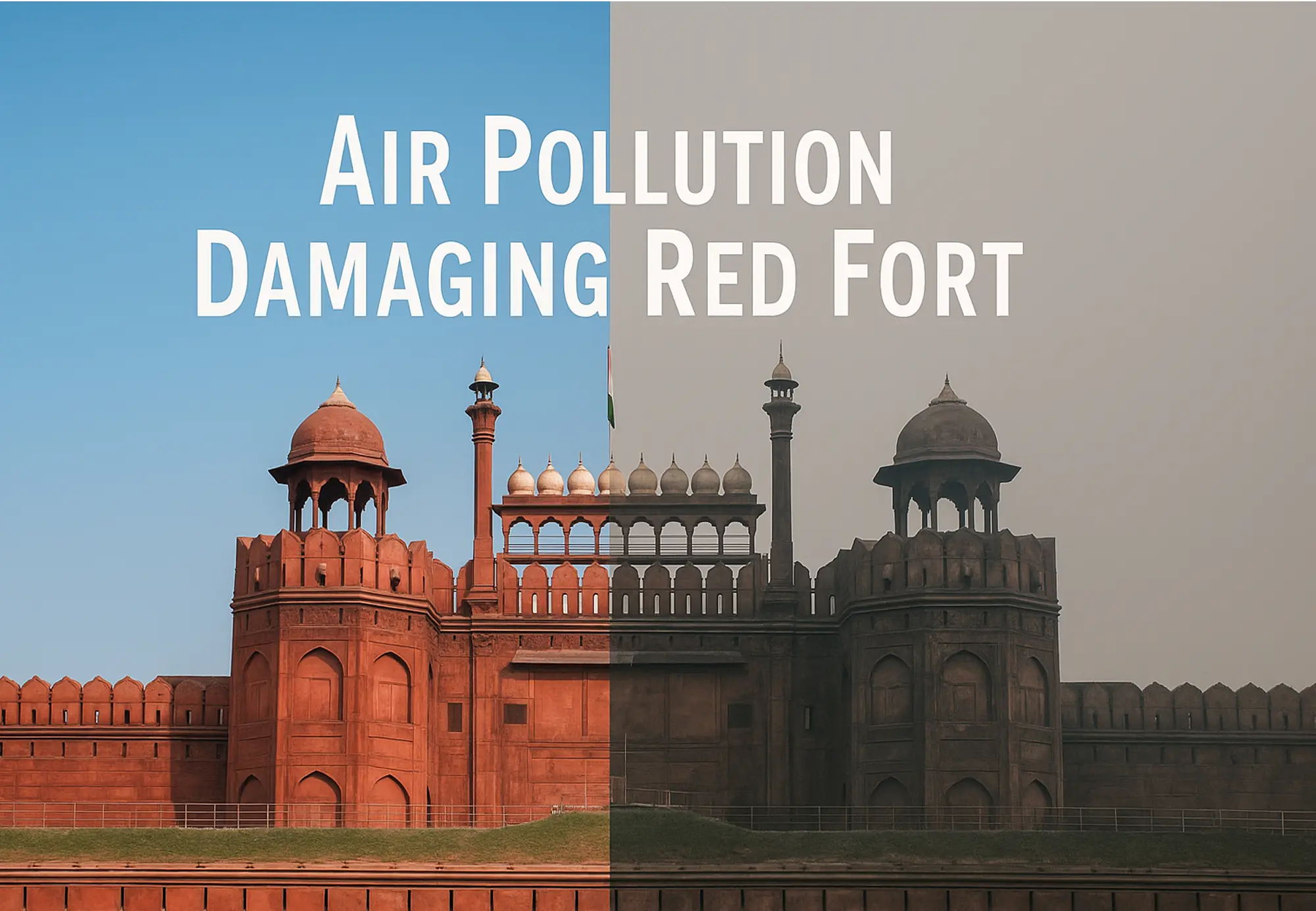
Red Fort in Delhi is Not Red Anymore! It is Turning Black: Air Pollution Damaging Red Fort
What’s the Connection Between Air Pollution and Blood Cancer?
AQI Graph
Historical Air Quality Data
Automatic Station Of Gongyi New Environmental Protection Bureau Second Middle School
Download 2024 Annual Data
World Air Quality Report

PM10 particles are with a diameter of 10 micrometers (µm) or smaller and human hair has a diameter of 50 to 70 (µm). It makes PM10 1/5 to 1/7 of the human hair size.

Uncovering the Sources of Particulate Matter (PM10): Where Does It Come From?

Wind-blown dust
Dust lifted and spread by the wind from bare soil.
Construction sites
Dust and pollutants from building activities.
Industries
Releases various pollutants from different processes.
Waste burning
Smoke and toxins from burning waste materials.
Landfills
Emissions from decomposing waste in big landfills.
Vehicles exhausts
Emissions of harmful gases and particles from cars.Short-Term PM10 Exposure Impacts

Allergies
Airborne allergens causing sneezing and itching.
Cough and runny nose
Respiratory irritation cause to coughing
Eyes irritations
Redness and discomfort in the eyes.
Chest tightness
Constriction feeling in the chest.
Breathing difficulty
Trouble in breathing or discomfort in the chest.Health Advice Based on Current PM10 Level In
Automatic Station Of Gongyi New Environmental Protection Bureau Second Middle School


As per the current PM10, turn off the air purifier.
Get an Air PurifierRecommendations by 


Why you should care about Particulate Matter (PM10)?
Know More About PM10 Sensor
Air Quality FAQs
at Automatic Station Of Gongyi New Environmental Protection Bureau Second Middle School
Frequently Asked Questions About Air Quality
What is the current PM10 level in Automatic Station Of Gongyi New Environmental Protection Bureau Second Middle School?
The current real-time PM10 level in Automatic Station Of Gongyi New Environmental Protection Bureau Second Middle School is 18 µg/m³ (Good). This was last updated 09 Oct 2025, 05:46pm (Local Time).
When was the best PM10 level in Automatic Station Of Gongyi New Environmental Protection Bureau Second Middle School in the last 24 hours?
The best PM10 level was 18 µg/m³ (Good) at 1:04 AM (Local Time) during the last 24 hours.
When was the worst PM10 level in Automatic Station Of Gongyi New Environmental Protection Bureau Second Middle School in the last 24 hours?
The worst PM10 level was 32 µg/m³ (Good) at 6:46 PM, Oct 8, 2025 (Local Time) during the last 24 hours.
What is the current trend of PM10 levels in Automatic Station Of Gongyi New Environmental Protection Bureau Second Middle School during last 24 hours?
The PM10 levels in Automatic Station Of Gongyi New Environmental Protection Bureau Second Middle School have been fluctuating throughout the last 24 hours. The levels have increased by highest 32 µg/m³ at 6:46 PM, Oct 8, 2025 (Local Time), lowest 18 µg/m³ at 1:04 AM (Local Time).
What actions are recommended as per the current PM10 level in Automatic Station Of Gongyi New Environmental Protection Bureau Second Middle School?
The air quality is satisfactory, and air pollution poses little or no risk. No special precautions are needed; enjoy outdoor activities freely.
