


Kuching Particulate Matter (PM₂.₅) Level
Sarawak, Malaysia

59µg/m³
Last Updated: 2026-09-29 05:21 (Local Time)

 Map
MapKuching
What is the Current PM₂.₅ Level?
Kuching
The current PM₂.₅ level in Kuching based on the average air quality level across the city is 59 µg/m³ making it acceptable, but sensitive individuals should be cautious.
The current PM₂.₅ level in Kuching is 3.9x Above the recommended WHO guideline of 15 µg/m³.
Trending in Malaysia
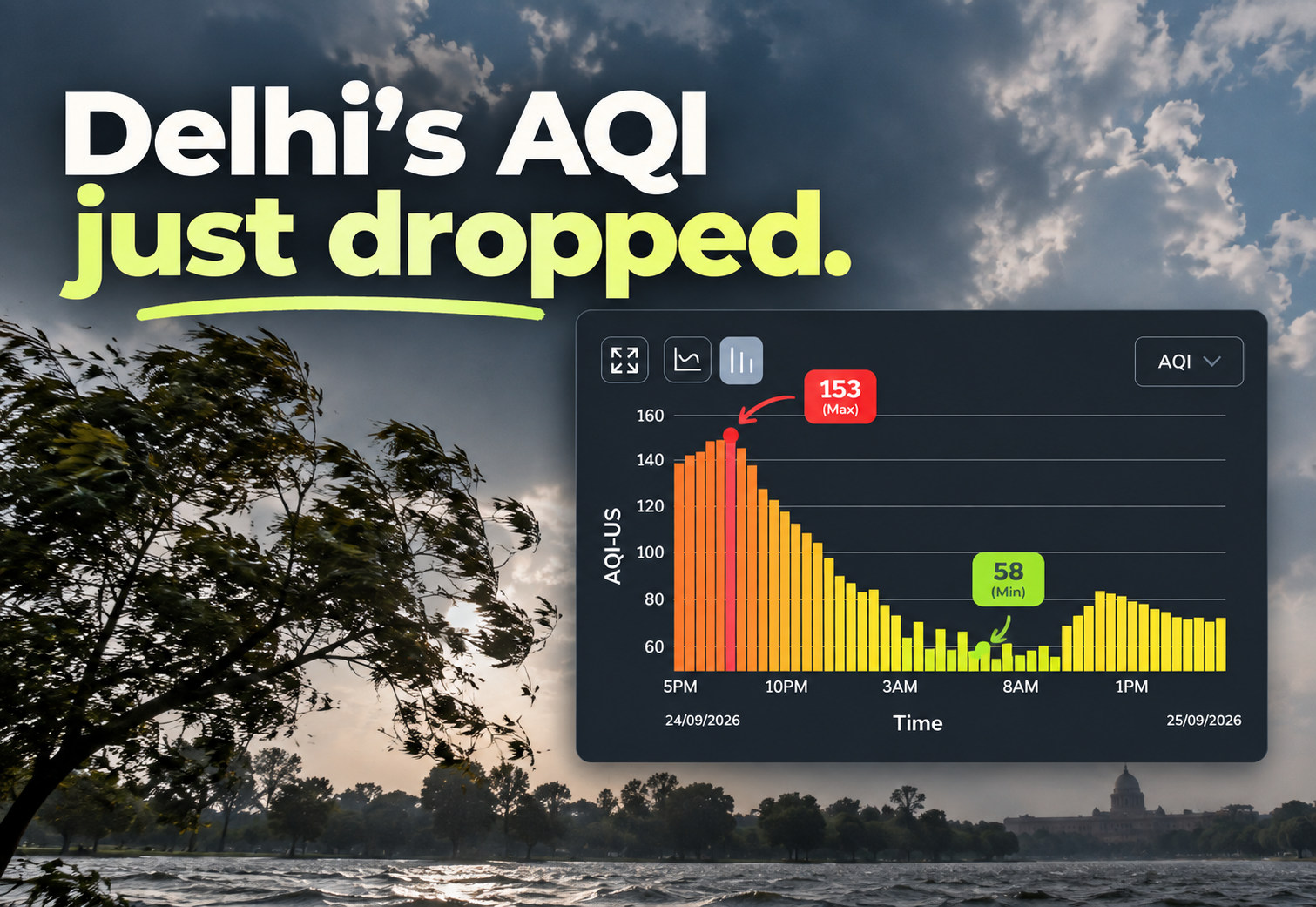
Delhi’s AQI Dropped Overnight. But Why? 🌬️
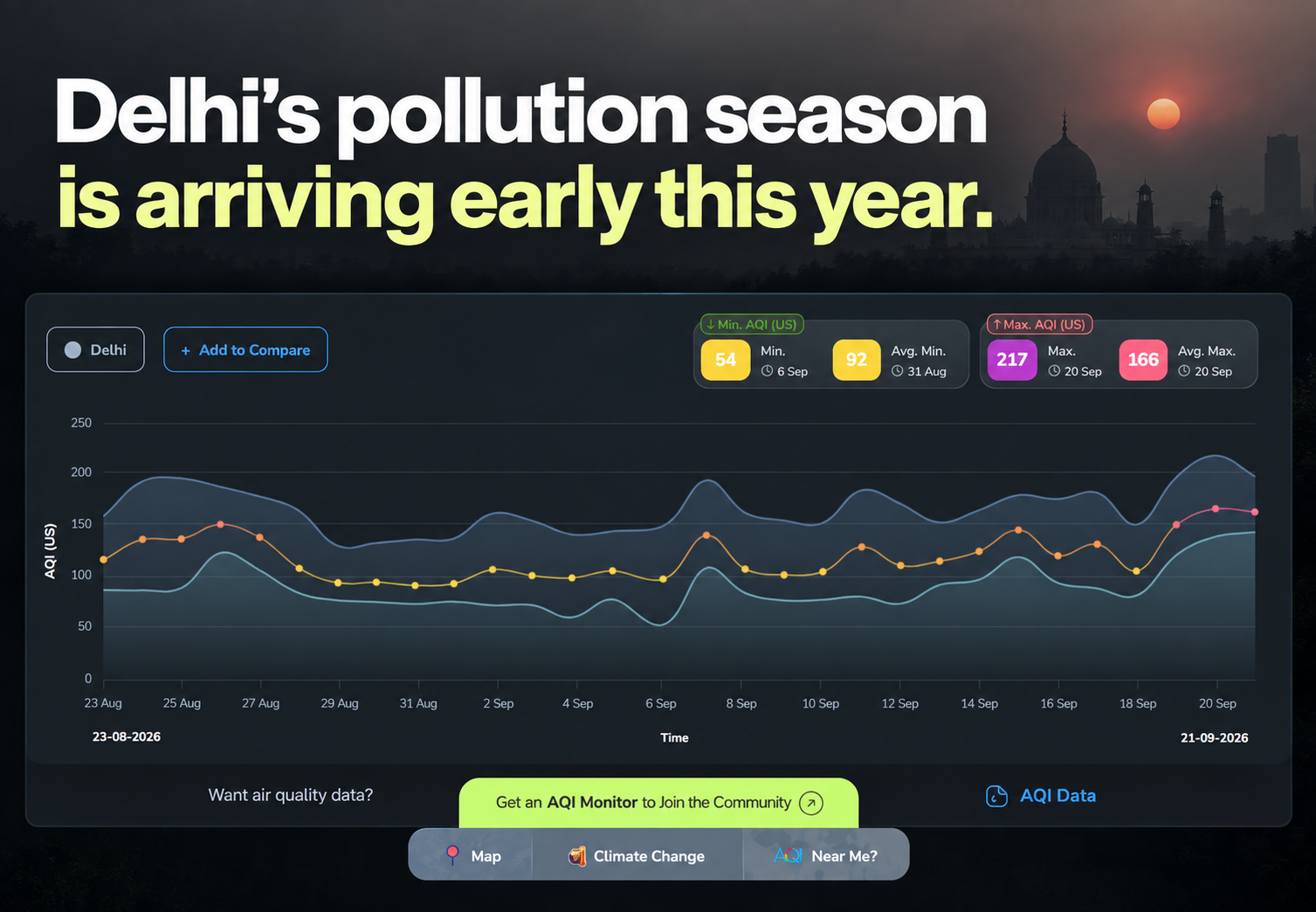
Delhi’s Pollution Season Is Arriving Early This Year
AQI Graph
Historic Air Quality Graph of Particulate Matter (PM₂.₅)
Kuching
Malaysia 2019 PM2.5 Death Toll
PM2.5 annual mean levels
17µg/m³
each person's annual mean exposure 3.4 times WHO's guideline.

34
Deaths per 100,000 people
attributable to fine particle pollution in 2019 (10,551 in total in the country).
Death percentage as per diseases
 Type 2 Diabetes
 stroke
 ischemic heart disease
 tracheal, bronchus, and lung cancer
 chronic obstructive pulmonary disease
 lower respiratory infections
 neonatal disorders
PM2.5 particles, with a diameter of 2.5 micrometers or less, are approximately 30 times smaller than a human hair, making them a significant yet often unseen threat to air quality.

Uncovering the Sources of Particulate Matter (PM₂.₅): Where Does It Come From?

Windblown Dust
Daily activities like construction or other practices
Home-related emission
Household activities, such as cooking and heating
Factories and industries' emission
Regular operations in factories and industries
Power plants generation
Emission from Routine energy production in power plants
Landfill fires
Fires in landfills, often caused by waste mismanagement
Transportation emission
Diesel operated Daily vehicles produces exhaust
Human-caused emissions
Common practices like open burning of waste or agricultural residuesShort-Term PM₂.₅ Exposure Impacts

Irritation in Eyes
Redness, itching, and discomfort in your eyes
Headaches
Frequent or intense headaches.
Fatigue
Feeling unusually tired or weak.
Aggravated asthma
Increased asthma attacks and symptoms.
Breathing problems
Coughing, wheezing, and shortness of breath.Health Advice Based on Current PM₂.₅ Level In
Kuching
2.5Cigarettes per day

Breathing the air in this location is as harmful as smoking 2.5 cigarettes a day.
Source:
Berkeley Earth


Recommendations by 

PM₂.₅ Monitor
Monitor PM2.5 level around you with an advanced monitor.

PM₂.₅ Sensor
Measures PM2.5 around you to stay safe and aware.

Car Filter
Trap particles before they enter your vehicle, ensuring a safe and healthy ride.

N95 Mask
Protect yourself from harmful airborne particles by wearing an N95 mask.
Why you should care about Particulate Matter (PM₂.₅)?
Know More About PM₂.₅ Sensor
Air Quality FAQs
at Kuching
Frequently Asked Questions About Air Quality
1. What is the current PM₂.₅ level in Kuching?
1. What is the current PM₂.₅ level in Kuching?
The current real-time PM₂.₅ level in Kuching is 59µg/m³ (Moderate). This was last updated 2026-09-29 05:21 (Local Time).
2. When was the best PM₂.₅ level in Kuching in the last 24 hours?
2. When was the best PM₂.₅ level in Kuching in the last 24 hours?
The best PM₂.₅ level was 33 µg/m³ (Moderate) at 5:01 AM (Local Time) during the last 24 hours.
3. When was the worst PM₂.₅ level in Kuching in the last 24 hours?
3. When was the worst PM₂.₅ level in Kuching in the last 24 hours?
The worst PM₂.₅ level was 71 µg/m³ (Poor) at 9:31 PM (Local Time) during the last 24 hours.
4. What is the current trend of PM₂.₅ levels in Kuching during last 24 hours?
4. What is the current trend of PM₂.₅ levels in Kuching during last 24 hours?
The PM₂.₅ levels in Kuching have been fluctuating throughout the last 24 hours. The levels have increased by highest 71 µg/m³ at 9:31 PM (Local Time), lowest 33 µg/m³ at 5:01 AM (Local Time).
5. What actions are recommended as per the current PM₂.₅ level in Kuching?
5. What actions are recommended as per the current PM₂.₅ level in Kuching?
Current PM₂.₅ levels are acceptable; however, some pollutants may be a concern for a small number of sensitive individuals.
